First-Time Homebuyer Programs in 2026: What Help Is Available and How to Use It
By Natalia Wolting • Dec 31, 2025 UTC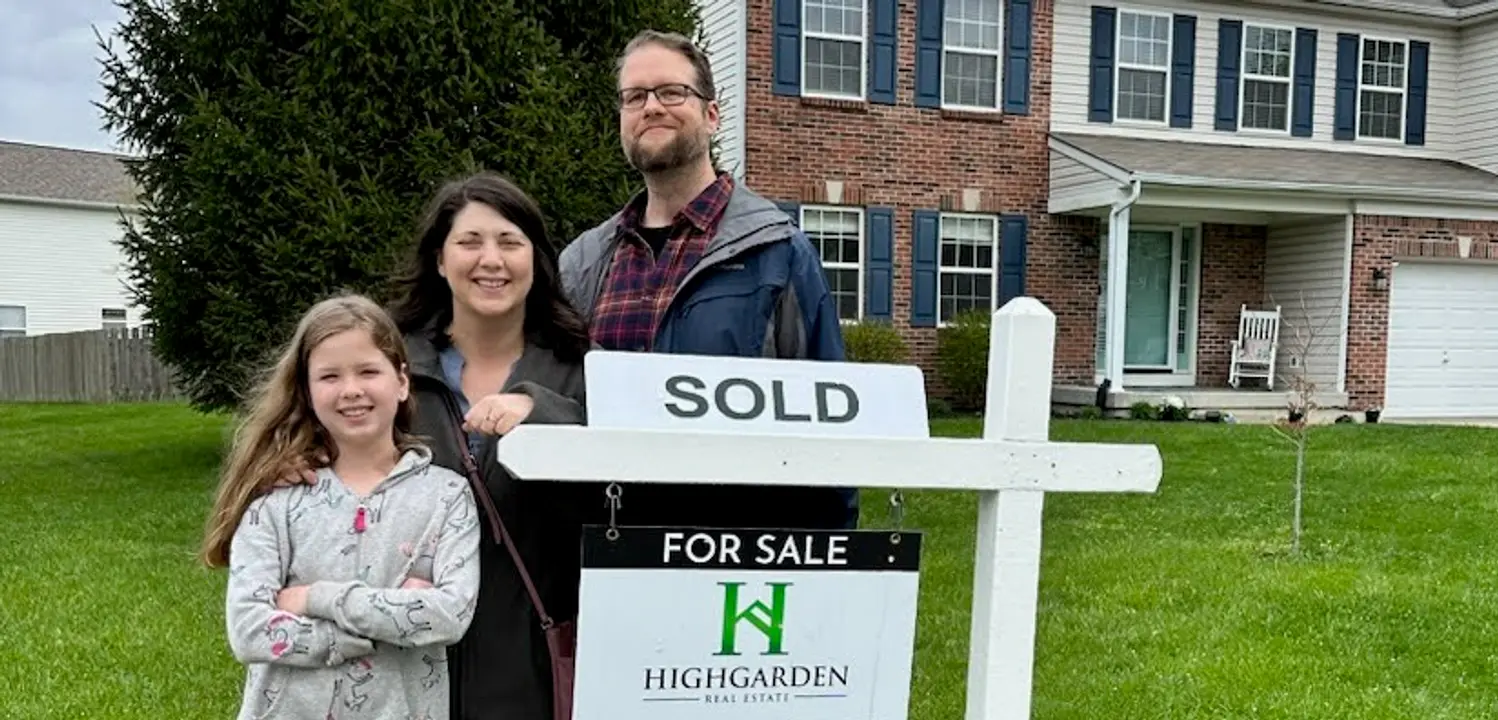
After several years of elevated home prices and interest rates, 2026 is shaping up to be a turning point for first-time homebuyers. While affordability challenges persist, economists expect wages to begin outpacing home-price growth for the first time since the post–Great Recession era.
At the same time, a growing mix of federal loan programs, state and local assistance, employer benefits, and seasonal strategies is helping buyers reduce both closing costs and monthly payments. For first-time buyers, especially those considering relocation or buying in emerging markets, the key to success in 2026 is not finding a single “perfect” program but understanding how they work together and where common missteps can occur.
LEARN MORE
Your place is calling, and we're here to help you get there – every step of the way.
Why First-Time Homebuyer Programs Matter in 2026
Housing affordability remains a national concern. According to U.S. Census Bureau data cited in recent reporting, the median monthly cost of homeownership increased by more than 25 percent between 2019 and 2024, while the U.S. homeownership rate fell to roughly 65 percent in mid-2025, its lowest level since 2019.
Mortgage rates are expected to ease slightly in 2026, but not enough to dramatically reset affordability on their own. That’s why first-time homebuyer programs, especially those that reduce upfront costs, are playing an increasingly important role in bridging the gap between renting and owning.
For remote and in-person workers considering relocation, 2026 brings broader eligibility, stronger down payment assistance, and more programs tied directly to workforce and community growth. Here’s what’s new and what to watch in the coming year.
What First-Time Homebuyer Programs Look Like in 2026
Most homebuyer programs are designed to solve one of two problems:
1. Upfront affordability - including down payments and closing costs
2. Ongoing affordability - such as mortgage insurance and interest-related costs.
Housing experts caution that buyers often focus on messaging such as “3% down” or “no mortgage insurance” without confirming whether they actually qualify. Eligibility rules related to income, credit, property type, location and timelines need to be verified before the homebuying process.
In 2026, first-time homebuyer programs increasingly focus on upfront affordability, helping buyers reach moments like this sooner and with greater confidence.
Key First-Time Buyer Programs to Know About in 2026
Housing experts consistently point to six major categories of assistance that first-time buyers should understand this year.
FHA Loans: Lower Barriers, Higher Long-Term Costs
Federal Housing Administration (FHA) loans remain a common entry point for first-time homebuyers who may have:
- Limited savings
- Lower credit scores
- Higher debt-to-income ratios
With down payments as low as 3.5 percent, FHA loans can make homeownership accessible sooner. The trade-off is mandatory mortgage insurance that often makes FHA loans more expensive over time, particularly for buyers who could qualify for lower-cost private mortgage insurance through conventional financing.
VA Loans: Zero Down for Eligible Buyers
For eligible veterans, active-duty service members, and some surviving spouses, VA loans continue to offer some of the strongest benefits available:
- No down payment
- No monthly mortgage insurance
VA loans can be used for a wide range of property types, including single-family homes, condominiums and certain multi-unit properties. Eligibility and entitlement rules matter, especially for buyers who have used the benefit before.
USDA Loans: Zero-Down in Qualified Locations
USDA loans offer another 0% down option, but eligibility depends on:
- Property location (rural and some suburban areas)
- Household income limits
HomeReady & Home Possible: Conventional Loans With Flexibility
Fannie Mae’s HomeReady and Freddie Mac’s Home Possible programs allow qualified buyers to put as little as 3 percent down while maintaining conventional loan terms.
For buyers with stronger credit profiles, these programs can be more cost-effective than FHA loans because private mortgage insurance (PMI) may be lower and can be removed over time.
State and Local Housing Finance Agency (HFA) Programs
The largest and most impactful down payment assistance often comes from state and local housing agencies, not federal programs.
These programs may be structured as:
- Grants
- Forgivable second mortgages
- Deferred-payment loans
Award amounts vary widely by location. In some cases, communities offer substantial incentives often tied to new construction or local revitalization goals but eligibility requirements, purchase-price caps, and property standards apply. Importantly, HFA assistance typically requires separate qualification and should not be viewed as a last-minute add-on.
Employer Down Payment Assistance (EAH)
Employer-sponsored housing benefits remain one of the most underutilized forms of homebuyer assistance.
Large employers, hospitals, universities, municipal agencies and unions may offer:
- Down payment grants
- Matched savings programs
- Forgivable loans tied to tenure
Because these benefits are often designed for recruitment and retention, buyers are encouraged to check with HR or their benefits department early in the process.
How MakeMyMove Fits Into First-Time Homebuyer Programs in 2026
The MakeMyMove platform helps connect eligible remote and in-person workers with cities, counties and regions offering incentives often including cash that can be used toward a down payment, housing-focused financial support (such as no closing costs) and moving discounts designed to help first-time homebuyers.
For movers looking to purchase a home, this creates an opportunity to stack incentives utilizing their relocation benefits alongside any first-time homebuyers programs they qualify for.
Housing-Focused Incentives Available From MakeMyMove Communities
Many MakeMyMove communities offer direct housing incentives* that first-time homebuyers may be able to use toward purchasing, building, or improving a home. Examples include:
- Hutchinson / Reno County, Kansas – Up to $5,000 in new homebuyer assistance for qualifying applicants or $2,000 in designated areas.
- Kingman, Kansas – Free residential lot for qualifying new home construction.
- Lincoln County, Kansas – Property tax rebates for eligible new construction and rehabilitation projects.
- McPherson County, Kansas – Assistance through the HCAP Homebuyer Cash Assistance Program and NCHIP rebates for new construction and home improvements.
- Neodesha, Kansas – Neighborhood Revitalization Plan offering a five-year rebate on 95% of eligible property improvement costs (minimum $10,000 in exterior improvements).
- Northeast Indiana Region – 5% in down payment assistance and closing costs for eligible buyers through the Hoosier Homes Plus program.
- Ponca City, Oklahoma – $6,000 toward the purchase of a home.
- Shiawassee County, Michigan – Appraisal fee waivers, down payment assistance, zero-down programs, and special veteran benefits through Metro Mortgage Group.
- Southwest Michigan – $5,000 in down payment assistance for qualifying first-time homebuyers.
- Spencer County, Indiana – $500 toward closing costs with a mortgage through Spencer County Bank.
- Switzerland County, Indiana – Up to $2,000 in closing-cost credits through a partnership with Ruoff Mortgage and Phillips Development.
- West Memphis, Arkansas – $10,000 cash incentive for homeowners.
For Kristin Foster, becoming a first-time homeowner in West Memphis felt achievable in large part because of the city’s $10,000 cash incentive for homebuyers.
The incentive helped offset upfront costs that often catch first-time buyers by surprise, allowing her to move forward with confidence instead of hesitation. “I would have had to pull from savings otherwise,” she said
Additional Opportunities for First-Time Homebuyer Savings
In addition to incentives designed to help reduce the costs of purchasing a home, many MakeMyMove communities also offer relocation-related benefits that help reduce the overall cost of becoming a first-time homeowner, including:
- Moving service discounts
- Discounts on storage facilities
- Free internet provider promotions
- Savings on community amenities
Relocation-related savings can help reduce the overall cost of becoming a first-time homeowner.
Timing Matters: Seasonal Incentives and Early-2026 Opportunities
In addition to program-based assistance, timing can influence affordability. Purchasing a home during the winter months often means:
- Lower buyer competition
- Higher seller concessions
- Taking advantage of builder incentives, including temporary rate buydowns.
Many state and local assistance programs also operate on annual funding cycles, with new allocations released early in the year and depleted by spring. Buyers who prepare to purchase a home early in the year may find more options available before funds are exhausted.
Why First-Time Homebuyer Deals Fail and How to Avoid Issues
Housing experts consistently identify three preventable mistakes:
1. Not getting program-specific pre-approval- Buyers may qualify for a mortgage but not for the assistance tied to it.
2. Overlooking property eligibility rules - FHA, VA, and USDA loans often impose stricter property standards that can derail contracts late.
3. Underestimating timelines - Layering assistance programs often extends closing timelines beyond 30 days.
Successful home buyers adhere to the rules of the program they are applying for to avoid surprises.
How First-Time Buyers Can Succeed in 2026
Economists are forecasting that 2026 will see two trends: slightly more affordable housing and increased inventory availability in some markets. For first-time buyers, the opportunity lies in preparation: understanding eligibility, pairing the right loan with the right assistance, and remaining flexible on location.
*Eligibility requirements vary by community and may include income limits, employment criteria, home type, or length-of-residency commitments.
Find your place.
Browse all programs today!
About MakeMyMove
MakeMyMove is the first marketplace for relocation programs, helping you discover your place and make it home. We connect you directly with relocation programs who offer support, incentives, and a warm welcome— making your move easy, affordable, and rewarding. Since 2021, we've helped thousands of people relocate, and we're just getting started.
Stay in the loop
Get updates on new programs, perks, and places worth considering.